
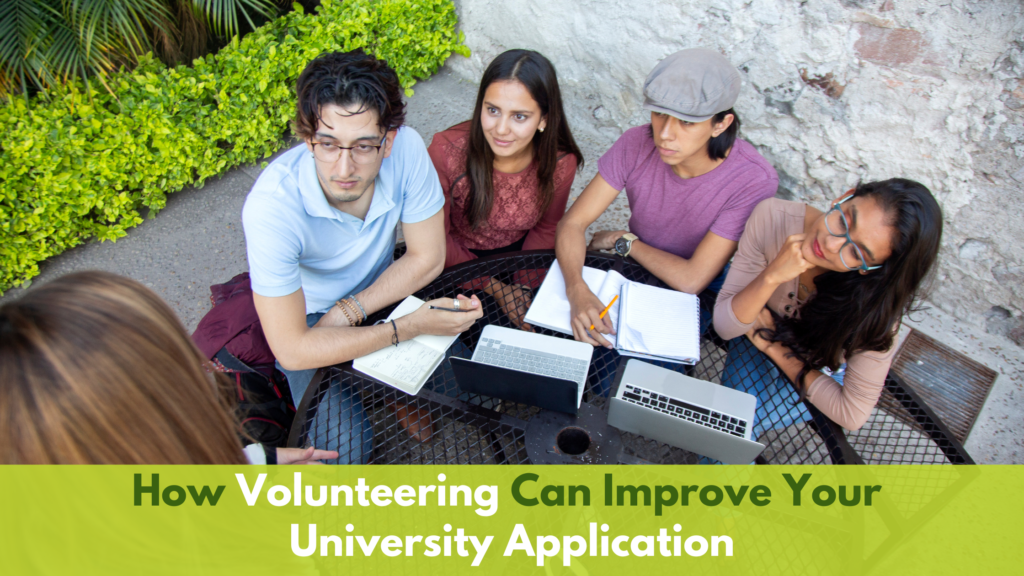
In today’s competitive admissions landscape, universities look beyond grades and test scores when evaluating applicants. Academic excellence remains important, but institutions increasingly seek students who demonstrate leadership, initiative, empathy, and community engagement. One of the most effective ways to strengthen a university application is through volunteering.
For UAE students applying to universities locally or abroad, volunteering can add significant value to personal statements, Statements of Purpose (SOPs), interviews, and scholarship applications. It reflects not only character but also a willingness to contribute positively to society—qualities highly respected by admissions officers worldwide.
This article explores how volunteering improves university applications, what kinds of volunteer work matter most, and how UAE students can make their experiences meaningful and impactful.
Why Universities Value Volunteering Experience
Universities want students who will contribute to campus life, participate in communities, and become responsible global citizens. Volunteering demonstrates important personal and professional qualities such as:
- Leadership potential
- Commitment and responsibility
- Teamwork and communication skills
- Social awareness
- Initiative beyond academics
When admissions teams review applications, volunteering helps show that a student is well-rounded and engaged beyond the classroom.
Volunteering Shows More Than Academic Ability
High grades prove academic capability, but volunteering reflects personal growth. Through volunteer work, students often develop:
- Problem-solving abilities
- Emotional intelligence
- Cultural understanding
- Time management skills
These qualities are difficult to measure through transcripts alone, making volunteer experience a powerful differentiator in applications.
How Volunteering Strengthens Different Parts of an Application
Personal Statement or SOP
Volunteer work gives students authentic experiences to write about. Instead of generic claims such as “I care about helping people,” students can provide real examples that demonstrate compassion, initiative, and impact.
Example:
A student volunteering in a literacy program can explain how teaching younger children strengthened communication and leadership skills.
Scholarship Applications
Scholarship committees often prioritize candidates with social contribution records. Volunteering reflects values such as service, leadership, and community responsibility.
University Interviews
Volunteer experiences provide strong talking points during interviews. Students can discuss:
- Challenges faced
- Lessons learned
- Personal impact
These stories create memorable impressions.
Recommendation Letters
Teachers and mentors can write stronger recommendation letters when they can reference volunteer efforts and community involvement.
Types of Volunteering That Add Value
Not all volunteering needs to be large-scale or international. Universities appreciate meaningful, consistent contributions.
Examples include:
- Charity events
- Environmental campaigns
- Teaching or tutoring younger students
- Hospital or healthcare volunteering
- NGO community support
- Animal welfare programs
- School leadership volunteering
The most valuable volunteering is often long-term and consistent rather than one-time participation.
Volunteering Opportunities for UAE Students
The UAE offers many opportunities for students to volunteer in structured and impactful ways.
Popular options include:
- Emirates Red Crescent programs
- Dubai Cares initiatives
- Youth Hub UAE projects
- Environmental sustainability campaigns
- Community education programs
- School-organized charity drives
Students can also volunteer through:
- Local mosques or community centers
- Nonprofit organizations
- Cultural festivals
- Social awareness campaigns
These experiences help students demonstrate local and global civic engagement.
Quality Matters More Than Quantity
Admissions officers care less about how many activities you list and more about the depth of involvement.
One meaningful year-long volunteer project can be stronger than ten short, superficial experiences.
Focus on:
- Commitment duration
- Leadership role
- Measurable impact
- Personal growth
Example:
Leading a school recycling initiative for six months shows stronger initiative than attending one volunteer event for two hours.
Skills Students Gain Through Volunteering
Volunteering builds transferable skills that universities value highly.
These include:
Leadership Skills
Organizing events, leading teams, or mentoring others reflects leadership maturity.
Communication Skills
Working with diverse groups improves speaking, listening, and interpersonal ability.
Teamwork
Volunteer environments often require collaboration across age groups and backgrounds.
Adaptability
Students learn to solve real-world problems in unfamiliar situations.
Responsibility
Commitment to volunteer schedules shows reliability and discipline.
These skills strengthen both university applications and future career prospects.
How to Present Volunteering on Your University Application
Simply listing volunteer work is not enough. Students should clearly explain:
- What they did
- Why they chose the activity
- What they learned
- How it shaped them
Weak example:
“Volunteered at charity events.”
Stronger example:
“Organized educational workshops for underprivileged children, improving my leadership and communication skills while helping increase student participation by 30%.”
Specificity creates impact.
Linking Volunteering to Career Goals
Volunteering becomes even stronger when connected to academic and career aspirations.
Examples:
- Future medical student volunteering in hospitals
- Education major tutoring children
- Environmental science applicant joining sustainability campaigns
This alignment demonstrates clarity of purpose and genuine motivation.
Volunteering and Competitive University Admissions
Top universities often seek applicants who show:
- Initiative beyond academics
- Evidence of leadership
- Social contribution
For competitive institutions in:
- UK
- USA
- Canada
- Australia
- Europe
Volunteering can make an application more compelling, especially when academic profiles are similar.
Common Mistakes Students Should Avoid
Volunteering Only for Applications
Admissions officers can often detect insincere or last-minute volunteering done only to impress universities.
Exaggerating Roles
Always represent experiences honestly.
Choosing Too Many Short-Term Activities
Consistency matters more than quantity.
Ignoring Reflection
Students often forget to explain what they learned.
Reflection is what transforms volunteering into a strong admissions asset.
How Early Should Students Start Volunteering?
Ideally, students should begin in:
- Grade 9 or Grade 10 for long-term impact
However, starting later is still valuable if commitment is genuine.
The earlier students begin, the more opportunities they have to:
- Build leadership roles
- Create measurable impact
- Develop deeper experiences
Volunteering for Students with Busy Schedules
Even students with demanding academics can contribute through:
- Weekend volunteering
- Holiday programs
- Virtual volunteering
- School-based initiatives
Small, consistent efforts still matter.
Can Online Volunteering Help?
Yes. Online volunteering has become increasingly respected, especially when meaningful.
Examples include:
- Online tutoring
- Digital awareness campaigns
- Remote nonprofit support
- Translation or content creation for NGOs
Virtual volunteering demonstrates initiative and digital adaptability.
How Parents Can Support Student Volunteering
Parents can help by:
- Encouraging participation early
- Helping identify opportunities
- Supporting transportation/logistics
- Motivating long-term commitment
Parental encouragement often helps students remain consistent.
Real Value Beyond University Admission
While volunteering strengthens applications, its greatest value lies in personal development.
Students gain:
- Confidence
- Perspective
- Empathy
- Social awareness
These experiences shape character in ways that extend far beyond university admission.
Final Thoughts
Volunteering is one of the most meaningful ways UAE students can enhance their university applications while developing valuable life skills. It demonstrates maturity, initiative, leadership, and a commitment to making a positive difference.
Universities are not only selecting students with strong academic profiles—they are selecting future leaders, innovators, and responsible citizens. Through volunteering, students show they are ready to contribute beyond the classroom.
Conclusion
Volunteering can significantly improve a university application by showcasing qualities that grades alone cannot measure. For UAE students aiming to stand out in competitive admissions processes, meaningful volunteer work offers both strategic and personal benefits. Whether through local charities, environmental programs, education support, or healthcare initiatives, every authentic act of service adds value to your academic journey and future success.