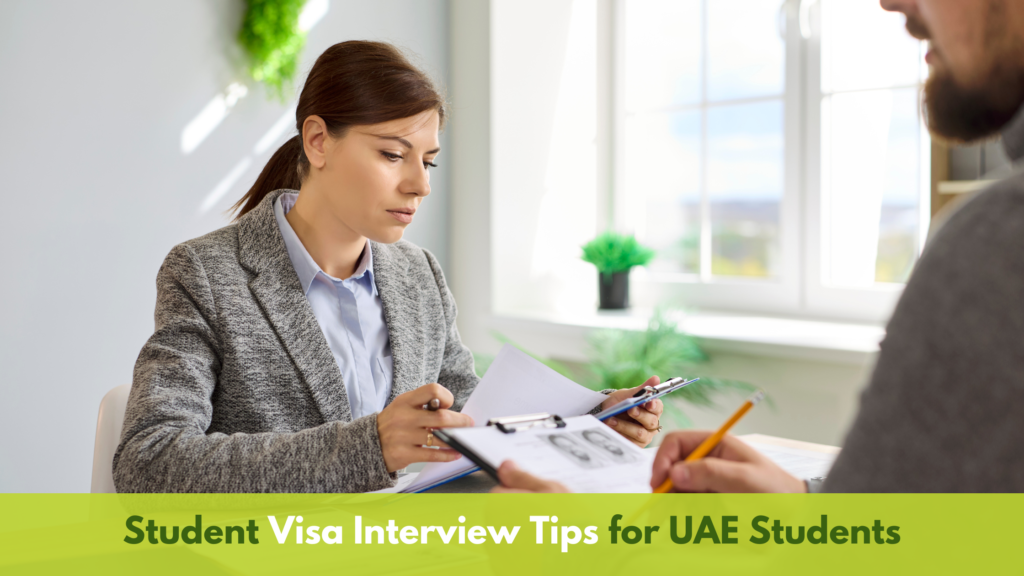
Studying abroad is an exciting milestone, but before beginning your academic journey, one important step stands between you and your destination—your student visa process. For many UAE students, the visa interview can feel stressful and intimidating, especially when applying to countries such as the USA, UK, Canada, or Australia.
The good news is that visa interviews are not designed to trick students. Immigration officers simply want to confirm that you are a genuine student with clear academic intentions, financial stability, and realistic future plans.
With the right preparation, confidence, and documentation, UAE students can significantly improve their chances of visa approval. This guide covers practical student visa interview tips for UAE students, common mistakes to avoid, and strategies to help you feel fully prepared.
Why Student Visa Interviews Matter
A student visa interview helps immigration officers assess:
- Your genuine intention to study
- Academic plans and university choice
- Financial capability
- Understanding of your course
- Post-study intentions
Visa officers want to ensure students are entering the country for educational purposes and can support themselves during studies.
Strong preparation increases confidence and reduces anxiety.
Understand the Purpose of the Interview
Many students become nervous because they think the visa officer is trying to reject applications.
In reality, the officer wants answers to key questions:
- Why this university?
- Why this course?
- Why this country?
- Who is funding your education?
- What are your career plans?
Your answers should demonstrate clarity, consistency, and honesty.
Tip 1: Know Your Course and University Well
One of the most common mistakes students make is applying without fully understanding their chosen program.
Visa officers may ask:
- Why did you choose this course?
- What subjects will you study?
- Why did you choose this university?
- What makes this program different?
Weak answer:
“My consultant suggested it.”
Strong answer:
“I chose this university because of its strong business analytics curriculum, internship opportunities, and industry partnerships that align with my long-term career goals.”
How to Prepare
Research:
- University ranking (if relevant)
- Course modules
- Internship opportunities
- Career outcomes
- Campus location
Understanding your course shows genuine intent.
Tip 2: Be Clear About Why You Chose the Country
Students should explain why the country suits their education goals.
For example:
UK
- Shorter degree duration
- Globally recognized education
- Strong programs in business and law
Canada
- High-quality education
- Strong post-study opportunities
- Safe and multicultural environment
Australia
- Practical learning approach
- Work opportunities while studying
USA
- Research and innovation focus
- Flexible education system
Avoid generic statements like:
“Because it is a good country.”
Tip 3: Be Honest and Consistent
Honesty is extremely important during visa interviews.
Never:
- Memorize fake answers
- Provide misleading information
- Give inconsistent details
Visa officers are trained to identify inconsistencies.
Your:
- SOP
- Application
- University documents
- Interview responses
should all align.
If you do not know an answer, remain calm and answer honestly.
Tip 4: Understand Your Financial Situation
Financial questions are very common.
You may be asked:
- Who is sponsoring your education?
- What is your family income?
- How will tuition and living expenses be covered?
Students should clearly understand:
- Tuition fees
- Living costs
- Source of funding
- Financial documents submitted
Example Response
“My father is sponsoring my education, and we have sufficient financial documentation showing our ability to cover tuition and living expenses.”
Do not appear uncertain about finances.
Tip 5: Explain Your Career Goals Clearly
Visa officers often want to understand your future plans.
You may be asked:
- What will you do after graduation?
- How will this degree help your career?
A good answer connects:
- Course choice
- Career ambition
- Long-term growth
Example:
“After graduation, I aim to build experience in digital marketing and later contribute to the growing digital economy in the UAE.”
Clear career planning reflects seriousness.
Tip 6: Practice Common Interview Questions
Preparation builds confidence.
Common student visa interview questions include:
About Education
- Why this course?
- Why this university?
- What subjects will you study?
About Country Choice
- Why this country instead of others?
- Why not study in the UAE?
About Finances
- Who is funding your education?
- What does your sponsor do?
About Career Plans
- What are your future goals?
- Will you return to the UAE?
Practice answering naturally—not memorizing.
Tip 7: Dress Professionally and Maintain Confidence
First impressions matter.
Dress:
- Neatly
- Professionally
- Modestly
You do not need formal business attire, but appearance should reflect seriousness.
During the interview:
- Maintain eye contact
- Sit confidently
- Speak clearly
- Avoid nervous behavior
Confidence matters—but overconfidence should be avoided.
Tip 8: Keep Your Documents Organized
Carry all required documents in an organized folder.
Common documents include:
- Passport
- Admission letter
- CAS/I-20/offer letter
- Financial statements
- Academic transcripts
- IELTS/TOEFL results
- SOP
- Visa application forms
Being organized creates a positive impression.
Tip 9: Improve Your English Communication
For English-speaking countries, communication clarity matters.
You do not need perfect English, but you should:
- Speak clearly
- Understand questions properly
- Answer confidently
If you don’t understand a question:
Politely ask for clarification.
Avoid memorized scripts.
Tip 10: Stay Calm During Difficult Questions
Some questions may feel challenging.
Examples:
- Why didn’t you choose the UAE?
- Why this university with lower ranking?
- Why are your grades low?
Do not panic.
Stay calm and explain honestly.
Example:
“Although my grades dropped temporarily, I improved significantly afterward and developed stronger study habits.”
Confidence under pressure matters.
Common Mistakes UAE Students Should Avoid
Giving Memorized Answers
Visa officers can usually tell.
Lack of University Knowledge
Not knowing course details raises concerns.
Weak Financial Understanding
Unclear answers about funding create doubt.
Nervous Body Language
Avoid excessive hesitation or panic.
Contradicting Your Application
Inconsistent answers can affect credibility.
Country-Specific Visa Interview Differences
USA
Visa interviews are generally more formal and detailed.
Focus areas:
- Academic intent
- Financial proof
- Return plans
UK
Interviews may focus on:
- Genuine student intention
- Course understanding
- English proficiency
Canada
Often document-heavy but may include:
- Purpose of study
- Financial explanation
Australia
May assess:
- Genuine Temporary Entrant requirement
- Financial stability
- Academic goals
Always review country-specific guidelines.
How Parents Can Help UAE Students Prepare
Parents can support by:
- Conducting mock interviews
- Reviewing financial documents together
- Encouraging confidence
However, students should answer independently during interviews.
Preparation builds confidence.
Mock Questions for Practice
Practice answering:
- Why did you choose this university?
- Why this country?
- Who is paying for your studies?
- What are your future plans?
- Why didn’t you choose to study in the UAE?
- What do your parents do?
- What will you do after graduation?
Confidence improves with practice.
Final Checklist Before the Interview
Before your interview, ensure:
✔ Documents are organized
✔ Course details understood
✔ Financial information reviewed
✔ Common questions practiced
✔ Professional outfit ready
✔ Confidence and calm mindset maintained
Preparation reduces stress.
Conclusion
A student visa interview can feel intimidating, but with preparation and confidence, UAE students can approach it successfully. Visa officers are not looking for perfection—they are looking for genuine students who understand their academic goals, financial responsibilities, and future plans.
By preparing thoroughly, staying honest, and answering confidently, students can significantly improve their chances of approval and begin their international education journey with confidence.